

Lime Slaker vs. Lime Slaking System: When a Ball Mill Makes Sense
For utilities, water treatment plants, and manufacturers, producing lime slurry consistently, at the right throughput, with manageable wear and maintenance is where system design starts to matter.
That’s where the difference between a lime slaker and a full lime slaking system becomes important.
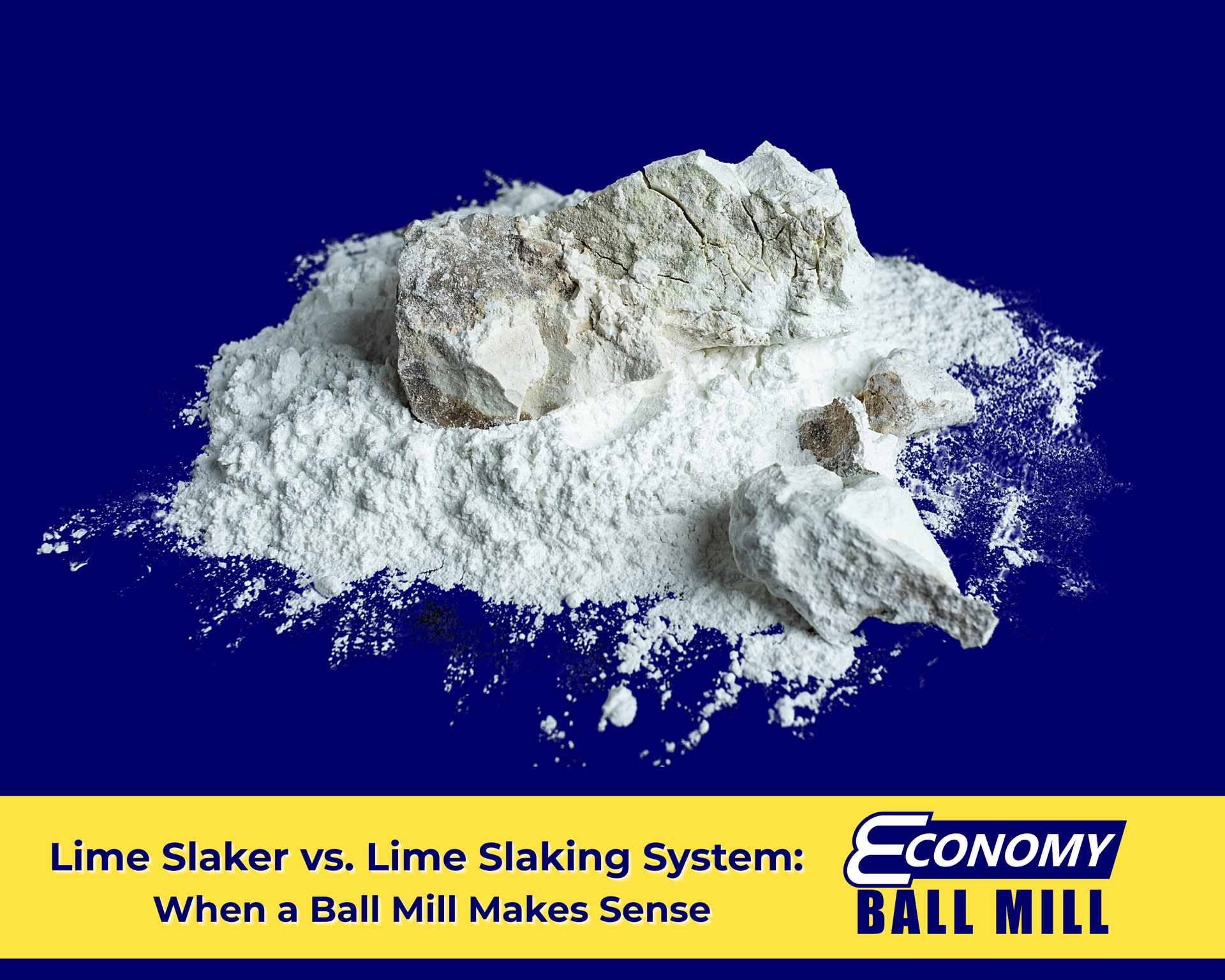
Lime slaking converts quicklime, or calcium oxide, into a hydrated lime slurry for use in pH control, neutralization, and other process applications. Depending on your plant’s demand, lime quality, and operating conditions, that can happen in a simpler slaker or in a more integrated system built around additional controls, grit handling, and in some cases, a ball mill.
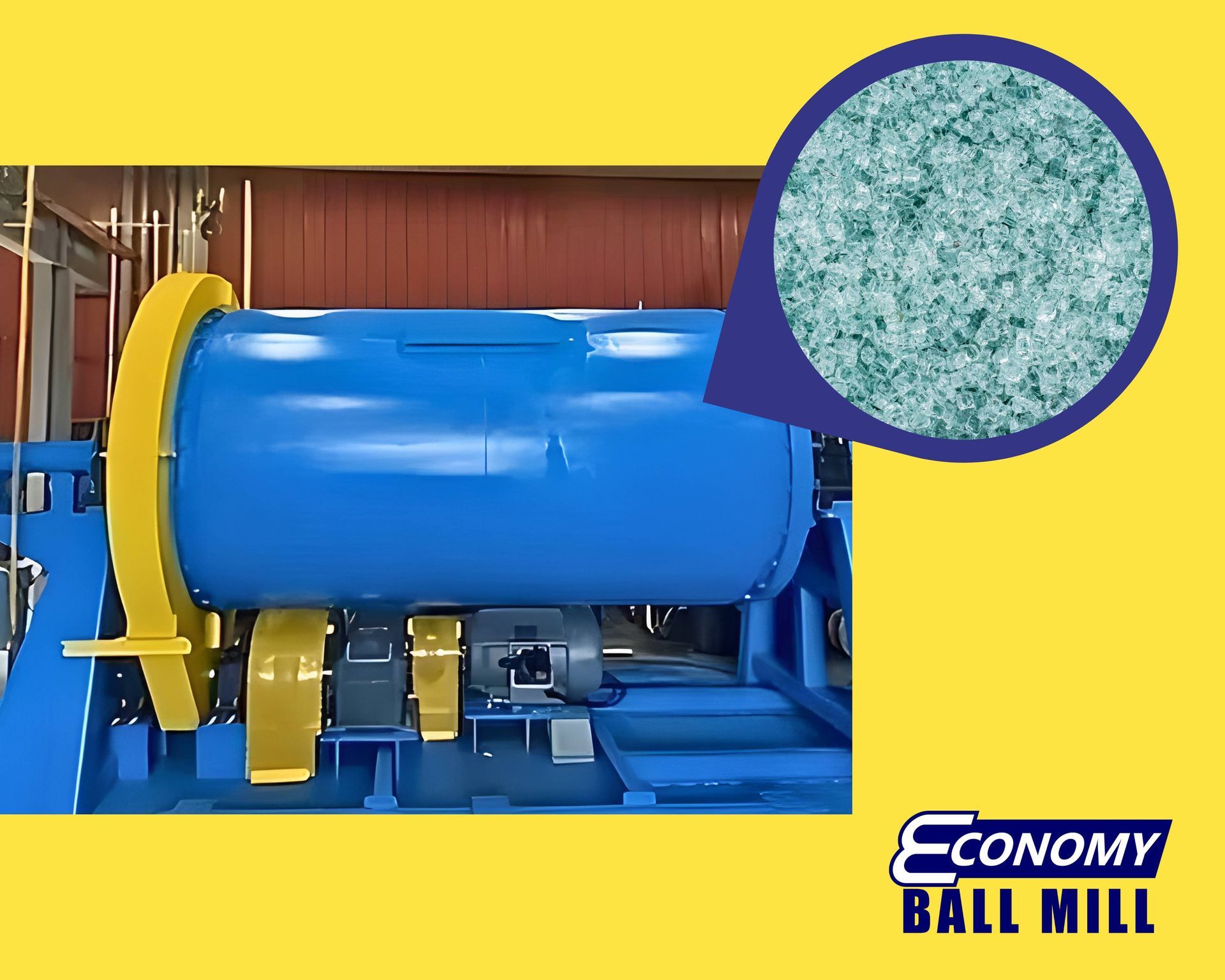
If your operation is evaluating a ball mill for slaking duty, the key question is whether a ball-mill-centered approach gives your plant the best combination of sizing, reliability, and maintenance performance. At Economy Ball Mill, we’re ball mill experts here to help with custom ball mills across the US and worldwide.
What Is Lime Slaking?
Lime slaking is the controlled chemical reaction between quicklime (CaO) and water to produce hydrated lime slurry. In industrial settings, that slurry is commonly used in water and wastewater treatment, emissions control, and process chemistry where accurate pH adjustment or neutralization matters.
In a limestone powder application, the focus is on particle size reduction. In a lime slaking application, you are dealing with slurry handling.
Lime Slaker vs. Lime Slaking System
A lime slaker is the core piece of equipment where quicklime and water are combined and reacted.
A lime slaking system is the larger process package built around that reaction.
Depending on the application, that may include lime storage, feed control, water addition, temperature control, grit removal, slurry transfer, and delivery to the point of use.
When a Ball Mill Makes Sense for Lime Slaking
Not every lime slaking application needs a ball mill. In many facilities, batch or detention-style slakers are the right fit for the task.
But if you are creating your own lime, if lime consumption rates are high, or if grit handling and residual value recovery are major concerns, a ball-mill-centered system makes sense.
That is because a mill-centered slaking setup can do more than complete the initial reaction. It can also help reduce coarse material and support more consistent slurry performance. Some designs recirculate coarse grit for further grinding before the slurry moves downstream, which helps reduce disposal and pumping problems later in the process.
What to Consider
In a lime slaking system, the mill is only one piece of the picture. The better starting point is the process itself.
Some of the first questions to answer include:
- What slurry demand does your plant need to meet?
- How variable is the quicklime feed?
- What is your water quality like?
- What slurry solids concentration is the target?
- How much grit will need to be separated or recirculated?
- How much maintenance access and operator attention is available?
These are the kinds of variables that determine whether a simpler slaker is sufficient or whether a more integrated lime slaking system is the better long-term fit. Industry guidance also puts special emphasis on temperature control and grit removal because both have a direct impact on slurry consistency, particle size, and equipment wear.
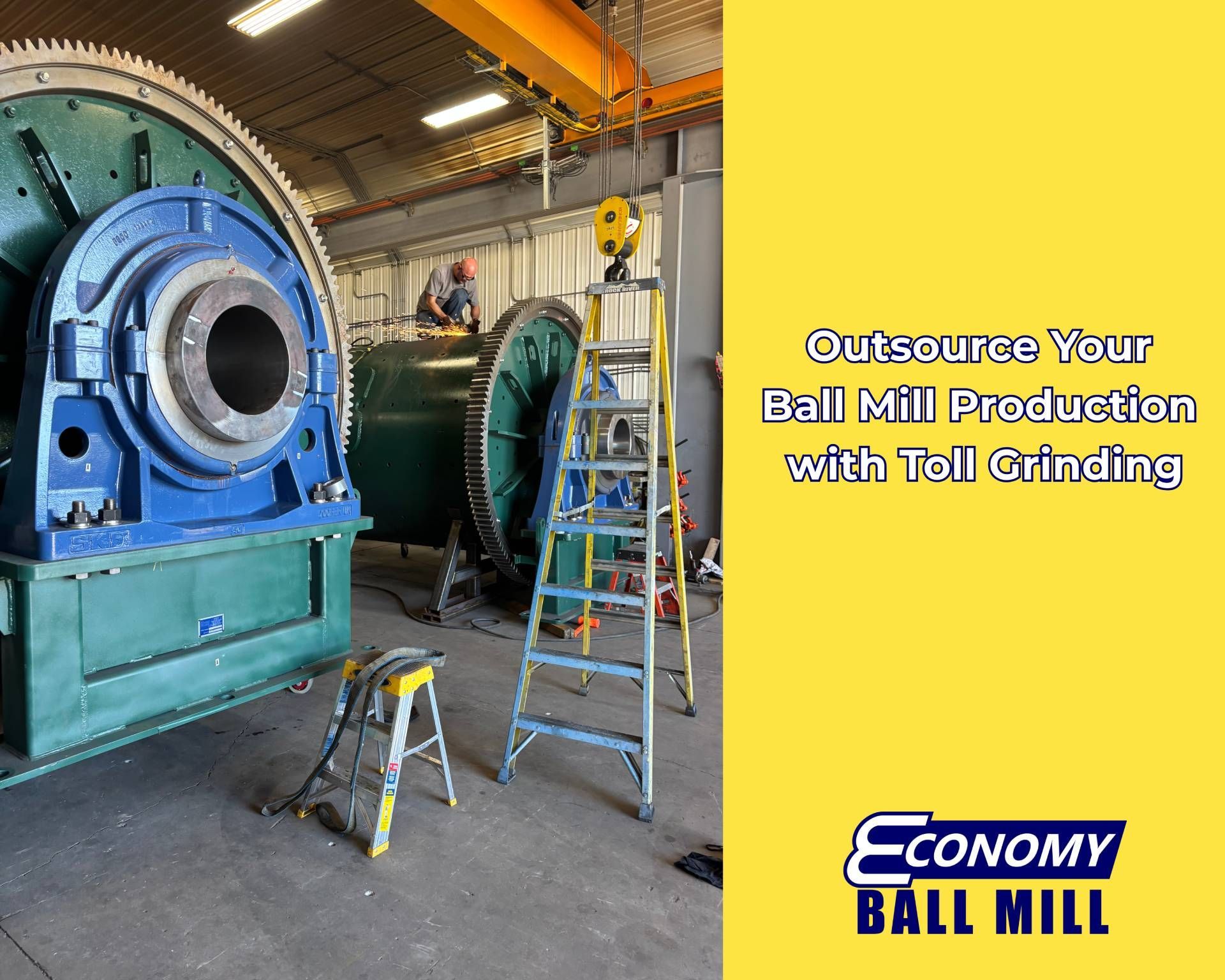
A ball mill used in slaking cannot be treated as a grinding cylinder. It needs to be built around slurry movement and the plant’s expected operation. Lime slaking introduces abrasion, scaling potential, grit accumulation, and repeated exposure to slurry conditions that can wear down poorly matched equipment. A system that is difficult to clean out, hard on the drive train, or mismatched to the plant’s grit and wear profile can become expensive fast.
How Economy Ball Mill Supports Ball-Mill-Centered Slaking Applications
At Economy Ball Mill, we can configure your custom ball mill around the application. That can mean looking closely at:
- mill size
- working volume
- liner construction
- drive train configuration
- discharge considerations
- integration with your broader slaking process.
Contact Economy Ball Mill About the Right Fit for Your Process
If you are comparing a lime slaker with a more complete lime slaking system, start with the question your plant needs answered: What design will give us the slurry output we need without creating unnecessary maintenance burden?
For some facilities, that answer may be a simple slaker. For others, especially where throughput is high or operating conditions are more difficult, a system built around a ball mill may be the better fit.
At Economy Ball Mill, we manufacture custom ball mills for demanding material processing applications for clients across the United States and internationally from our facilities in Tollesboro, Kentucky
Contact us online or call (606) 386-4598 to discuss your application with our team.